A Small Makeup Kit for an Overnight Stay
A small makeup kit for an overnight stay starts with the looks you plan to wear, helping you pack familiar multi-use products without bringing a whole drawer.
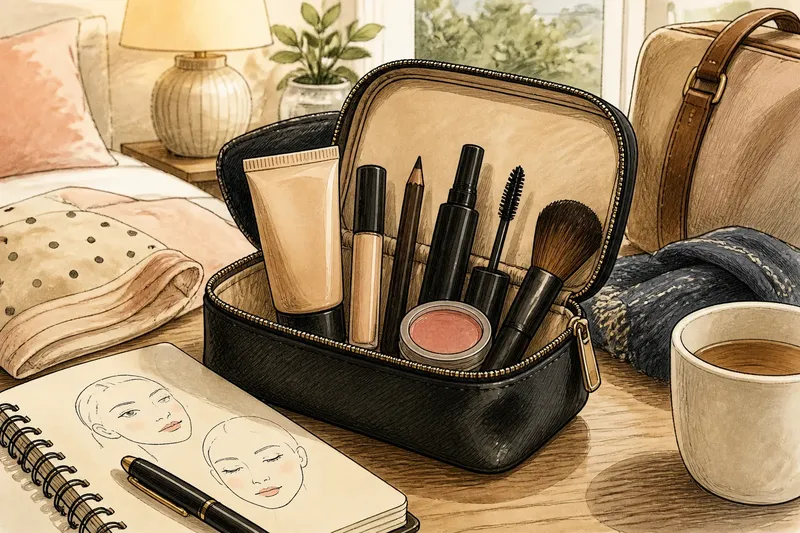
The common mistake with a small makeup kit for an overnight stay is packing a miniature version of the bathroom shelf. The result is a crowded pouch, duplicate products and little room for the items you will actually reach for. Start with the looks you want to wear, then choose the few familiar products that can create them.
Plan the looks
Think about the occasions, not every possible mood. An evening arrival, a relaxed morning and a shared meal might call for one polished look and one lighter version, rather than separate products for each moment.
Write down the features that matter to you: perhaps even-looking skin, defined brows, colour on the cheeks or a particular lip. This keeps the plan personal. Someone who rarely wears base makeup may need only concealer; someone who enjoys a sharper eye may prioritise a pencil over blush.
Imagine you are staying overnight at a friend’s house and expect a casual evening followed by breakfast out. You decide you want a softly defined eye for the evening and a fresh, low-key face in the morning. A tinted moisturiser, concealer, brow pencil, mascara, one cheek-and-lip tint and a small brush could cover both, while your usual lip balm stays in your wash bag.
Choose adaptable products
Multi-use products earn their place when you genuinely like using them in more than one way. A cream tint might work on cheeks and lips; a neutral eyeshadow could define the lid and soften a pencil line. But a product labelled “multi-use” is not automatically a good choice if its colour or texture does not suit you.
Familiarity matters more than novelty on a short stay. A compact you already know how to blend is more useful than a new palette with extra shades you may not touch. Keep the selection within your ordinary routine, and use a small, clean brush or your usual fingers if that is how you prefer to apply cream products.
Look for overlap in function, not just in packaging. If your tinted moisturiser gives enough coverage for both planned looks, a separate foundation may be unnecessary. If you prefer a distinct lip colour, keep it; saving space is not a reason to pack a substitute you do not enjoy wearing.
Build the core kit
Set out the products needed for your planned looks before reaching for the pouch. A useful core might include:
- Complexion: the base or concealer you reach for most often, if either is part of your routine.
- Brows: one pencil, gel or powder, rather than several ways to shape the same area.
- Eyes: mascara and, if it matters to your look, one pencil or a small neutral shade.
- Colour: a cheek product that can also work on lips, or one separate lip colour that feels essential.
- Tools: only the brush or applicator that makes a meaningful difference to your preferred finish.
This is a menu, not a required set. Leave out any category you do not use. If your routine centres on brows and lipstick, a complexion product and eyeshadow do not belong simply because they appear in a standard makeup bag.
Check the practical details
Before packing, check that each item is easy to use in the setting you expect. A pencil may be simpler than a loose powder if you will be getting ready in a dim guest room. A cream product can be convenient, but only if you have a clean way to apply it and are comfortable with its texture.
Make sure lids close securely and that a product is not already cracked, dried out or awkward to dispense. Put items that could mark clothing in a small washable pouch or separate pocket. If you are carrying products in hand luggage, follow the current rules for liquids and gels; packaging and local requirements can affect what is allowed.
Skip elaborate decanting for a single night unless the original container is genuinely bulky and you already have a suitable, clean travel pot. Transferring a favourite product can create mess and uncertainty about what is inside. A small amount of space saved is rarely worth a container you cannot identify or close properly.
What should you leave out?
Do I need a separate look for each occasion?
Usually not, if the occasions call for similar levels of polish. A change in lip colour or a little extra eye definition can shift a familiar base without requiring a second set of products.
Can one product work on cheeks and lips?
It can, if the formula is intended for both areas and feels comfortable on you. Check the product’s directions rather than assuming every cream blush or tint is suitable for lips.
Should I pack a product I rarely use, just in case?
Ask whether a likely situation calls for it and whether you would choose it at home. If the answer is no, it is probably an imagined contingency rather than part of your overnight routine.
How do I keep the kit compact?
Lay out the products beside the looks they serve, then remove duplicates and anything with no clear job. Keep one tool only when it changes how you apply a product or the finish you prefer.
Make the final edit
Put the planned products into the pouch, then take them out one at a time and name the look or task each supports. If two items serve the same purpose, keep the one you prefer using. If an item serves no planned look, leave it behind rather than adding it for a vague “just in case”.
Then check the essentials you chose for your own routine: lids, applicators, and any separate lip product or tool you rely on. A small makeup kit for an overnight stay should feel like your normal choices made deliberate, not like a miniature challenge to do more with less. The best final edit is the one that leaves you able to get ready comfortably, without carrying products for a version of yourself you did not plan to be.